
Reported by Ramadhan Rai
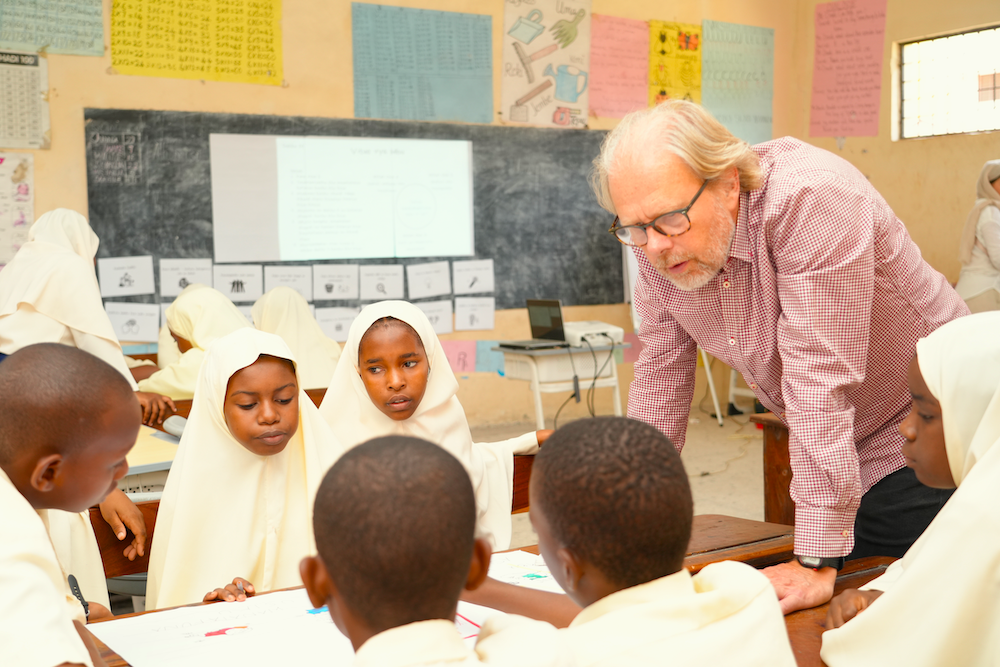
A two-day co-creation activity was held at Kilimahewa, bringing together students, community members, health professionals and local leadership to learn, exchange experiences and discuss mosquitoes and malaria-related issues.
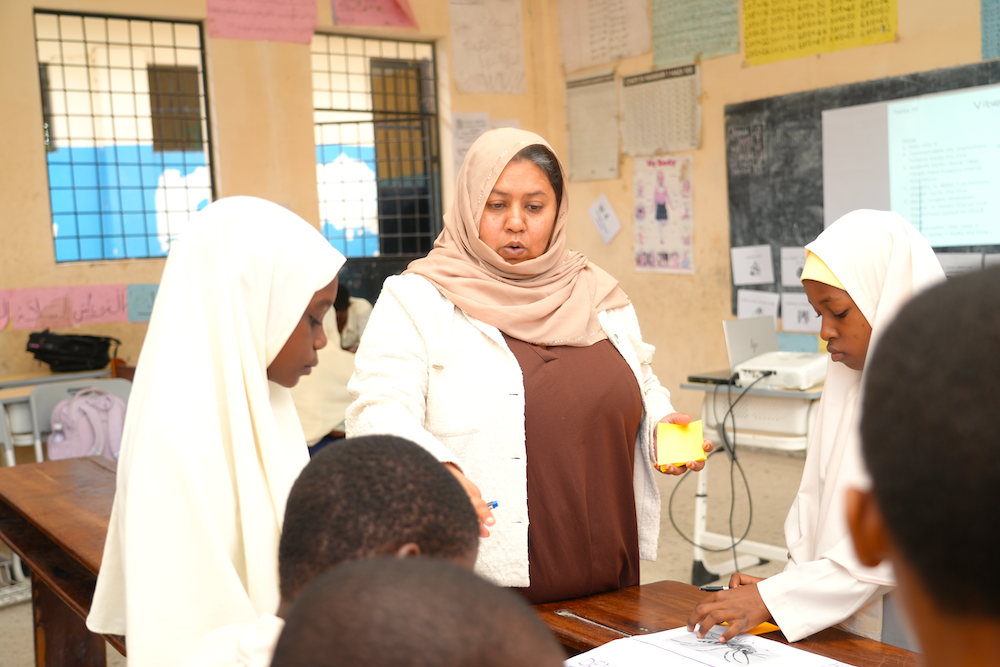
The activity was facilitated by Rabia, a BSU4 PhD student, together with Henrik and Danielle, who worked closely with participants throughout the two days. The approach encouraged participants to share their own knowledge and experiences while gaining new information from researchers and health professionals.
Day One: Learning with Students
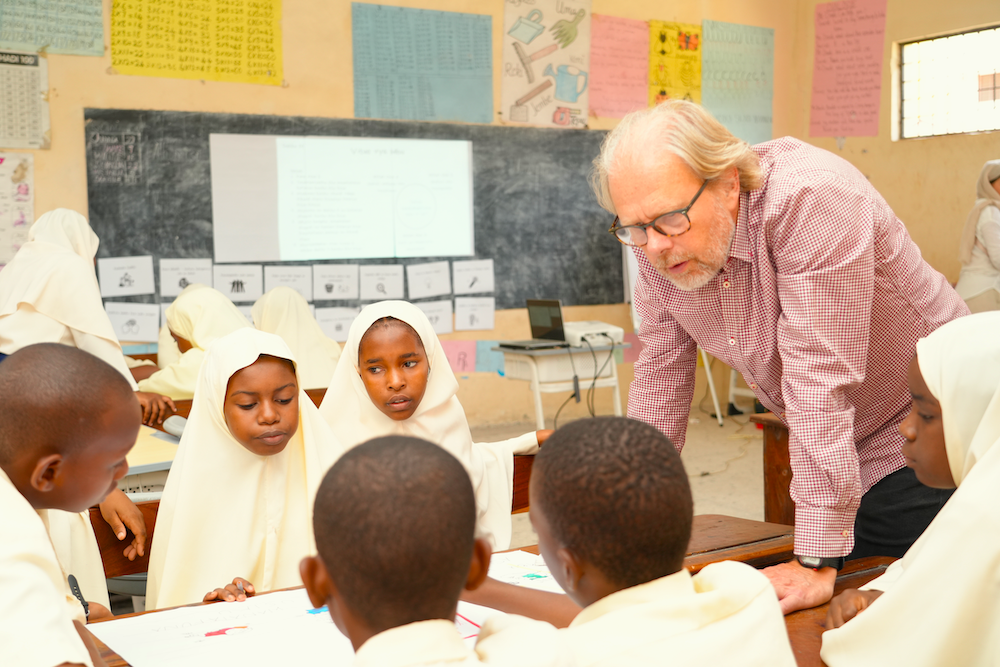
The first day began at Kilimahewa School, where 20 students took part in an interactive session on mosquitoes.
The students were encouraged to ask questions, share their experiences and discuss what they already knew about mosquitoes. The session created an open learning environment where students could participate actively rather than simply listen.
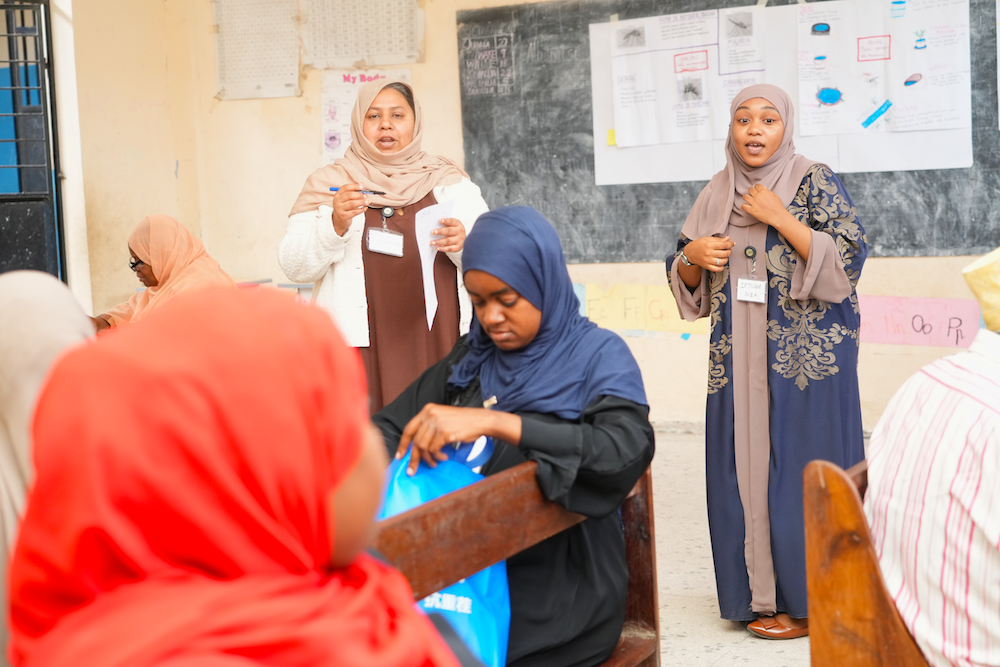
A key objective was to help the students become ambassadors of knowledge. They were encouraged to share what they learned with their fellow students, families and other members of their communities.
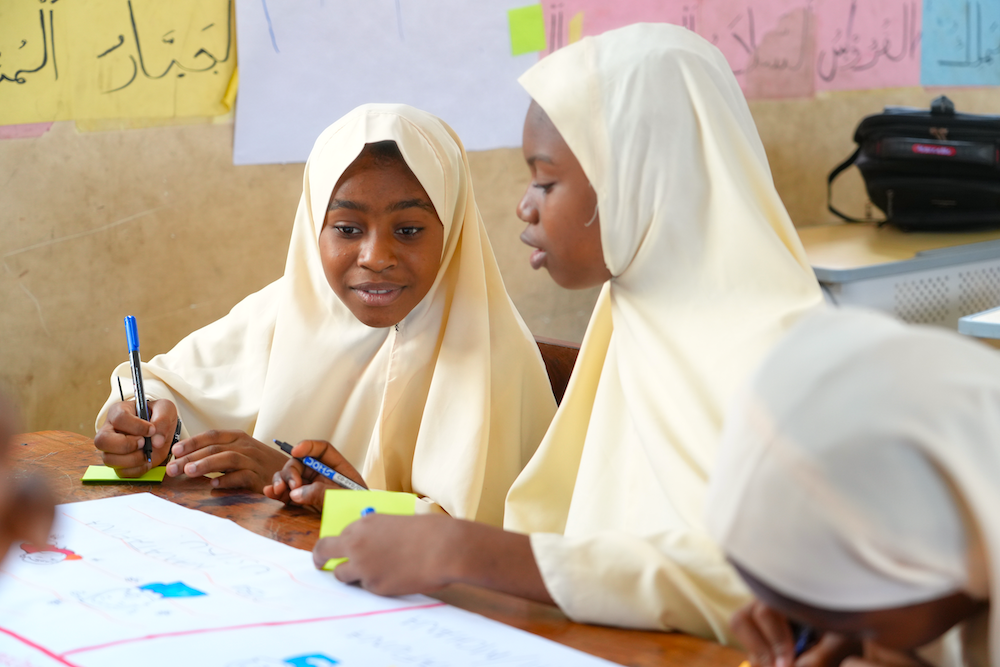
The active participation and enthusiasm of the students contributed to a lively and meaningful learning experience.
Day Two: Engaging the Wider Community
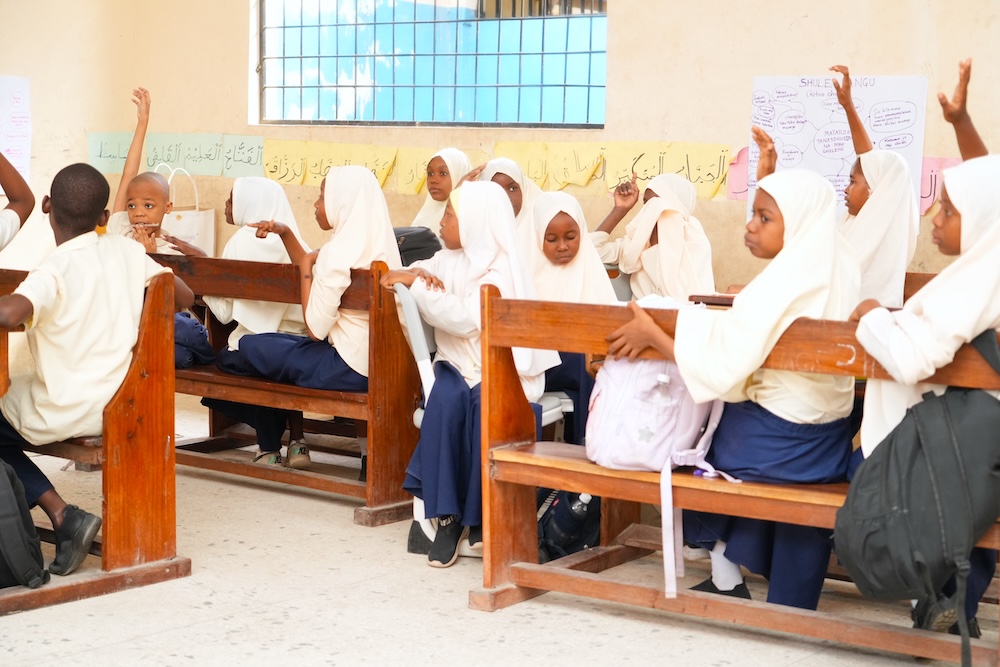
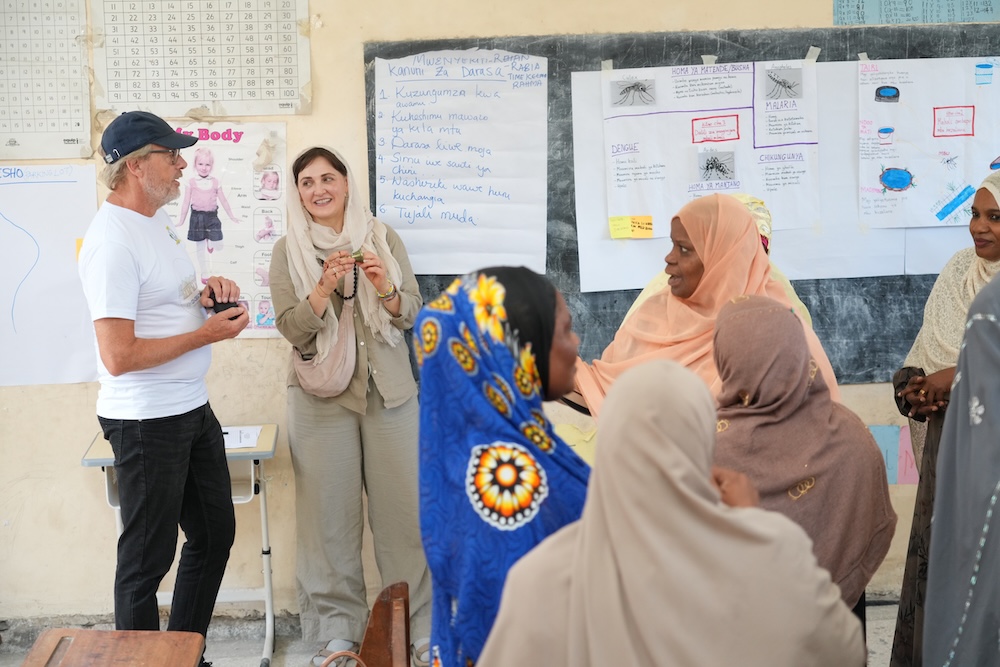
The second day continued the co-creation activities, extending the discussions to members of the wider Kilimahewa community.
The afternoon session brought together community members, malaria officials, healthcare workers and environmental health officers, under the leadership of the Sheha of Kilimahewa.
Participants discussed mosquitoes, malaria prevention and environmental health, while sharing experiences and perspectives from their daily lives and professional work. The session provided an opportunity for community members to raise questions and concerns, while health and environmental health professionals contributed their knowledge and expertise.
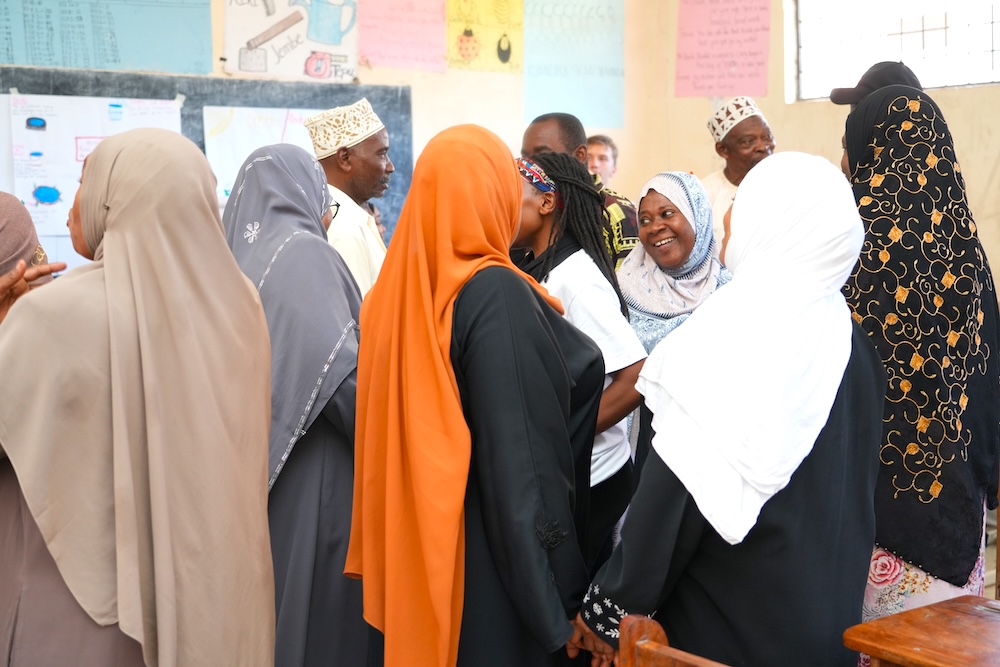
To keep participants engaged and energised, Henrik led an energiser activity, creating a relaxed and enjoyable atmosphere during the session.
Building Knowledge Together
Across the two days, the activity brought together students, community members, researchers, malaria officials, healthcare workers, environmental health officers and local leadership.
The experience demonstrated the value of co-creation as a way of bringing different forms of knowledge together. Students and community members were not simply recipients of information; they were active participants who contributed their own experiences, questions and ideas.
The Kilimahewa activities also highlighted the importance of connecting research, education, health services and local communities. By creating opportunities for people to learn from and listen to one another, the initiative seeks to strengthen awareness and encourage communities to take an active role in addressing mosquito and malaria-related challenges.
The two days at Kilimahewa provided a valuable platform for learning, dialogue and collaboration, with participants encouraged to carry the knowledge gained beyond the sessions and share it with others.