

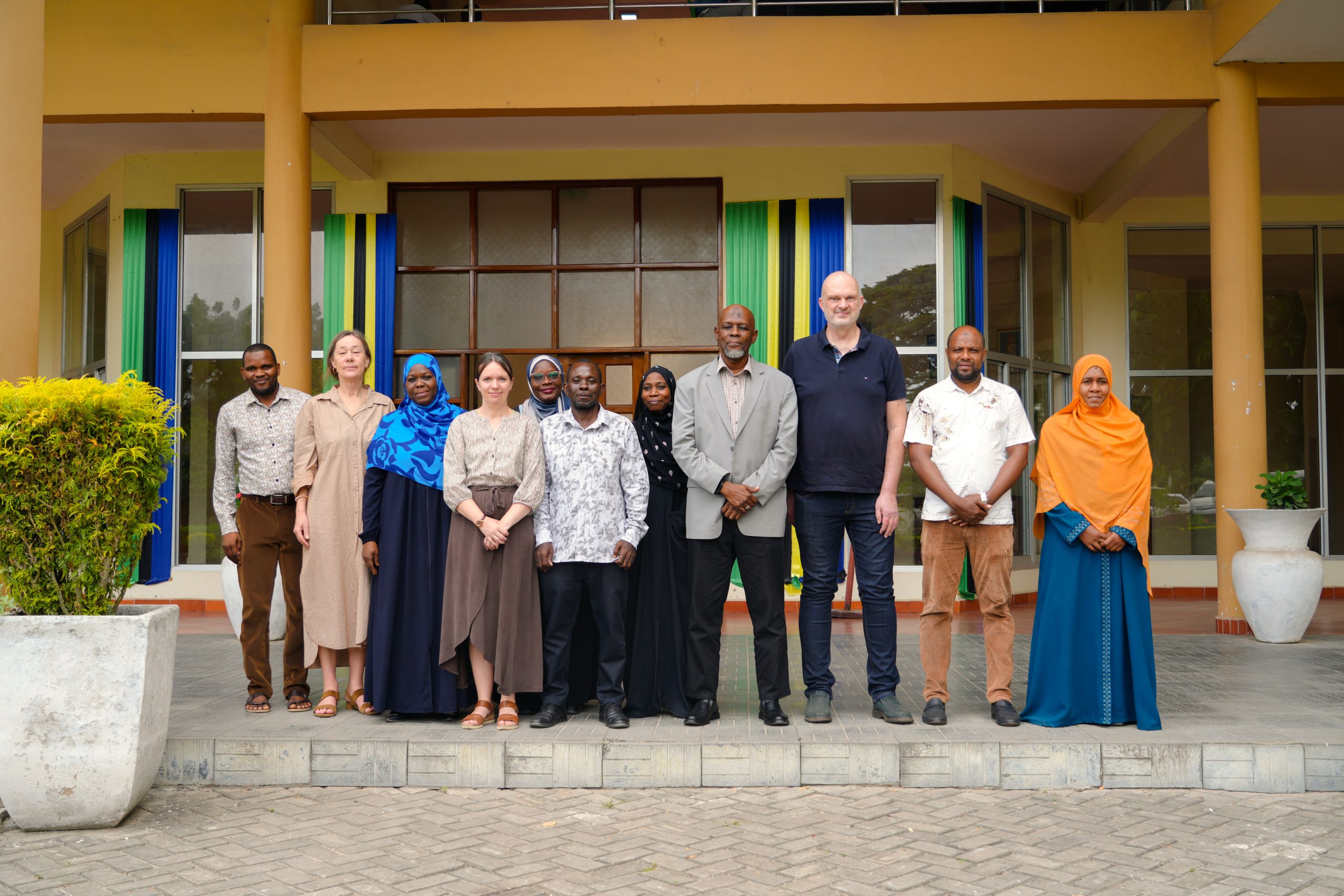
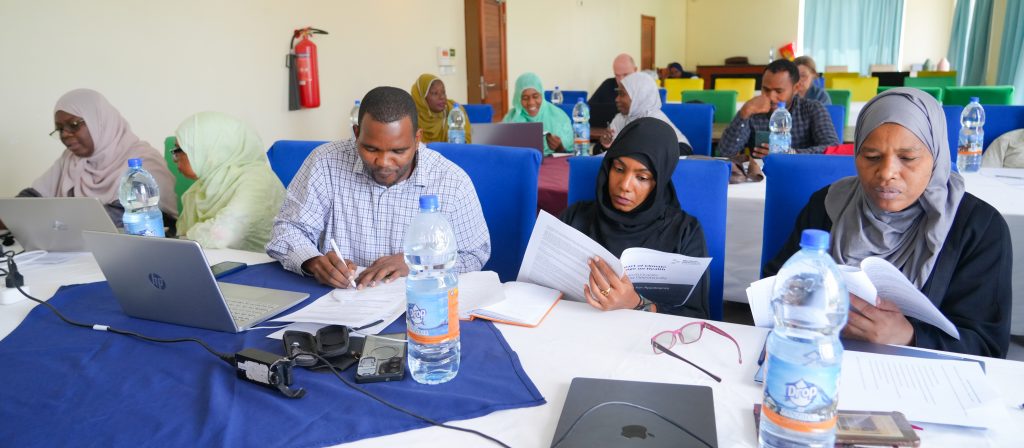
The State University of Zanzibar (SUZA), through Build Strong University (BSU 4) successfully conducted a three-day Grant Proposal Writing Workshop from 14th to 16th January 2026. The training focuses on strengthening institutional capacity for grant application and management, and was facilitated by Ms. Camilla Riel and Ms. Fatima Sabir from Roskilde University at Denmark.
The workshop aimed to enhance the skills of academic staff and researchers in developing competitive research funding proposals. Participants were trained on identifying funding opportunities, understanding funder expectations, structuring proposals, and effectively communicating research ideas. The training adopted an interactive and practical approach, combining presentations, group discussions, hands-on writing sessions, and peer review activities
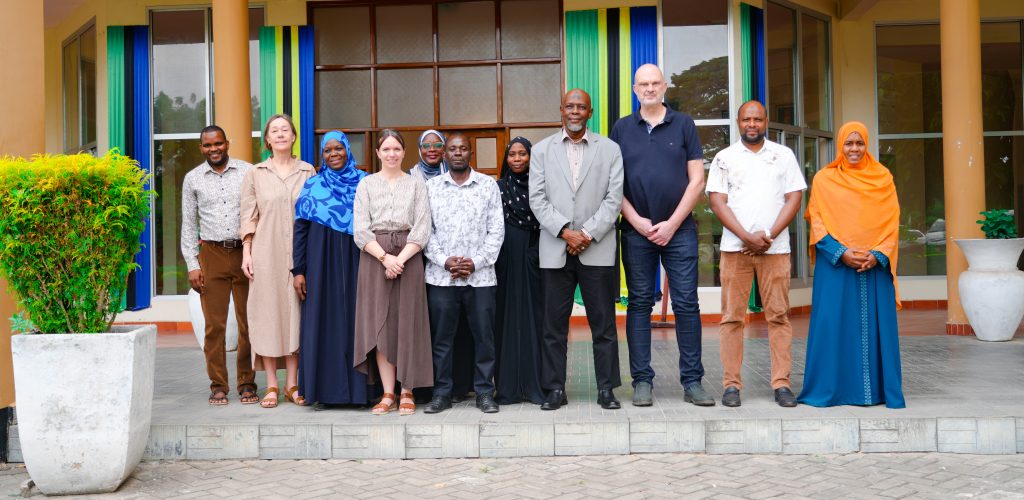
It was three days of intensive learning. On the first day, participants were introduced to the fundamentals of grant proposal writing, including types of research, proposal structure, and alignment with funding calls. Emphasis was placed on defining outputs, outcomes, and expected impact to meet funder priorities
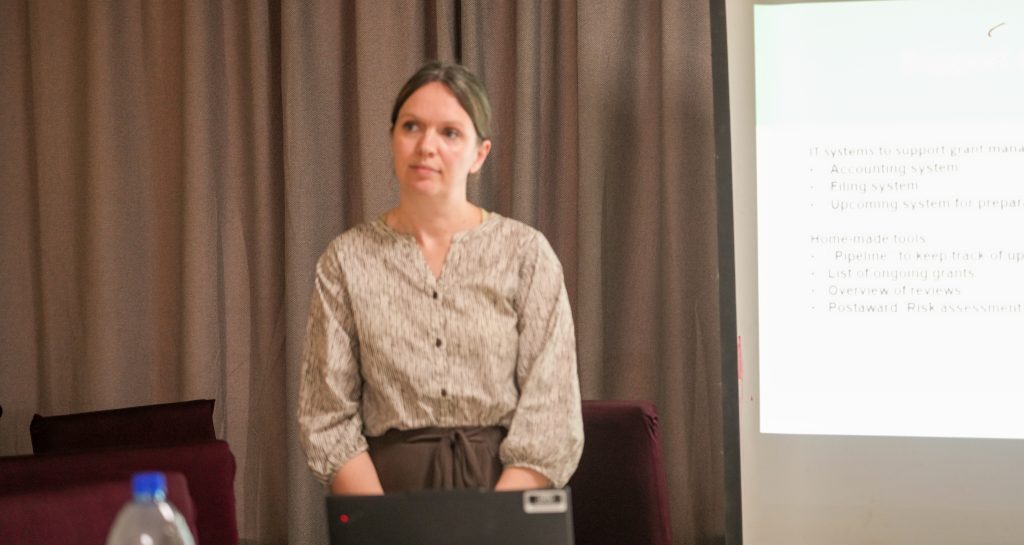
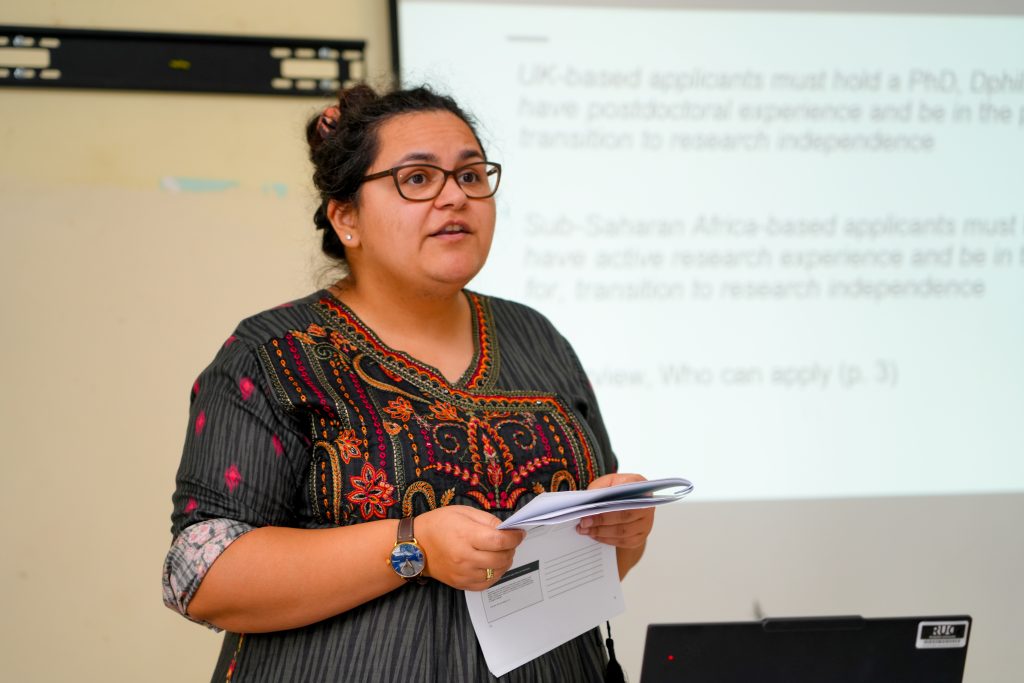
The second day focused on results presentation, dissemination strategies, and improving clarity in proposal writing. Participants learned how to communicate research findings to both academic and non-academic audiences and how to develop realistic dissemination plans. Practical rewriting exercises helped improve the quality and effectiveness of draft proposals
The third day concentrated on tailoring proposals to specific funders and identifying suitable funding opportunities. Participants were also introduced to the ethical and responsible use of generative Artificial Intelligence (AI) in proposal writing. The training concluded with hands-on sessions where participants worked on their own proposals and received feedback from peers and facilitators
The workshop recorded active participation from lecturers, researchers, postgraduate students, and administrative staff from various departments. By the end of the training, participants demonstrated improved understanding and confidence in proposal development and submission processes
Several important lessons emerged from the training. Participants learned that successful proposals require strong alignment between research ideas, funder priorities, and expected impact. The use of clear and simple language was found to significantly improve proposal quality. Collaborative writing, early involvement of colleagues, and internal peer review were also identified as critical success factors. In addition, participants recognized that AI tools can support proposal writing when used ethically and responsibly, without replacing academic judgment
To build on the achievements of the workshop, several follow-up activities were recommended. These include establishing a Training of Trainers (ToT) program for continuous peer support, organizing additional funder-specific training sessions, strengthening internal peer review systems, and developing a centralized repository of funding opportunities and proposal templates. The report also emphasized the importance of strengthening institutional grant management structures and monitoring proposal submission and success rates
The Grant Proposal Writing Workshop reflects SUZA’s continued commitment to strengthening research capacity and enhancing competitiveness in securing external funding. Through initiatives such as this, the University aims to empower its academic community to contribute effectively to national and international research agendas.
BSU4 remains committed to supporting researchers through continuous training, mentorship, and institutional support systems to ensure sustainable research development and innovation at SUZA.